
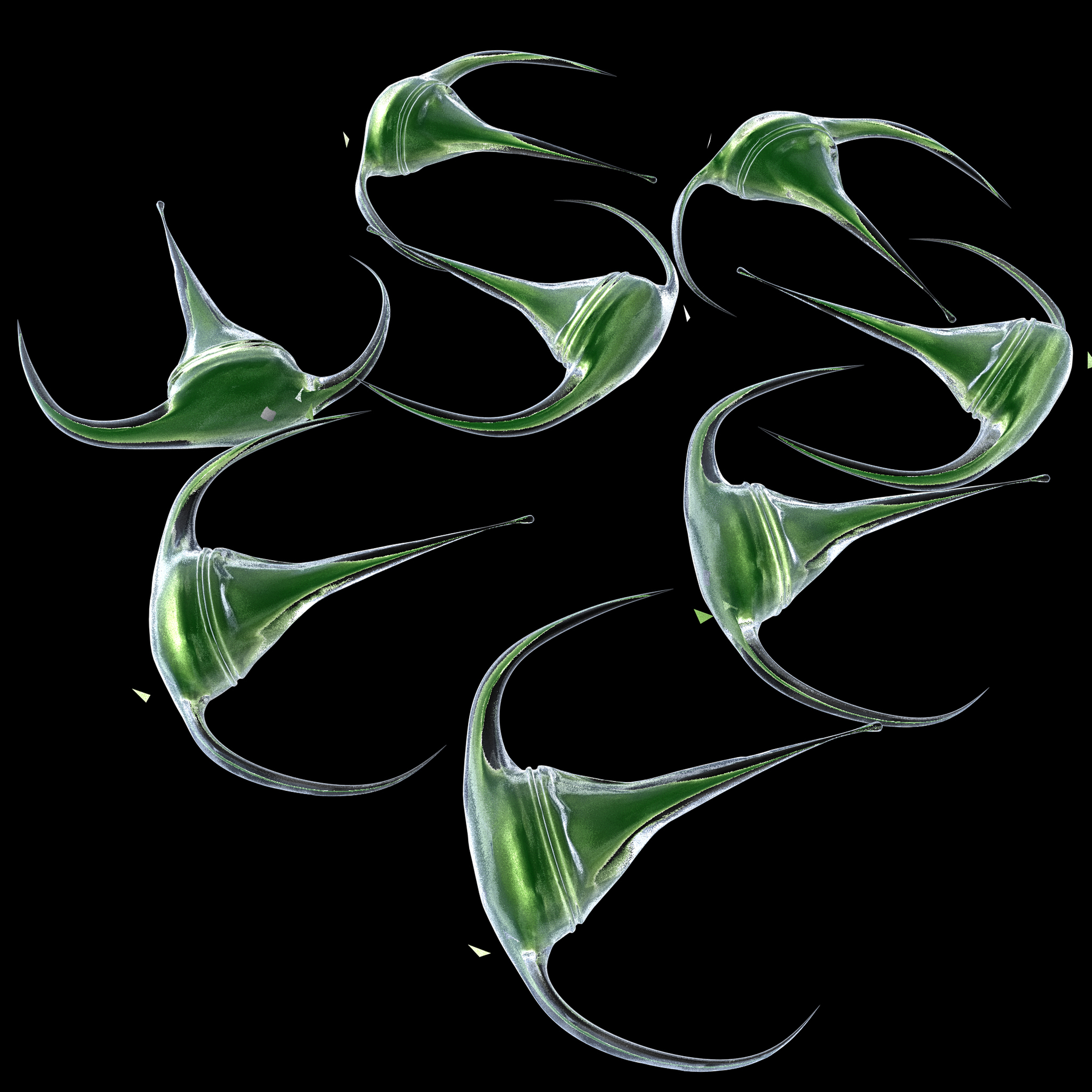
A new paper published in Global Change Biology highlights decadal changes in dinoflagellates in the North Atlantic and long-term climate change. The new paper focuses on the impact of ocean climate and hydrodynamics on the taxonomic richness and biomass of dinoflagellates in the Northeast Atlantic. It identifies five taxonomic assemblages associated with different water masses and analyses their long-term changes in biomass and taxonomic richness. The study also examines the influence of the North Atlantic Oscillation (NAO) and the Atlantic Multidecadal Oscillation (AMO) on the assemblages. The research reveals a doubling of taxonomic richness in the region since 1958, with a subsequent rapid decline in the mid-2010s.
The research has significant implications. The study reveals that the decline in dinoflagellate biomass in the North Sea has been linked to an increase in biodiversity, which was caused by a temperature-induced northward movement of subtropical taxa along the European shelf-edge, facilitated by changes in oceanic circulation. However, major changes in North Atlantic hydrodynamics in the 2010s, such as subpolar gyre expansion and a low-salinity anomaly, stopped this movement, triggering a biodiversity collapse in the North Sea. The research also highlights that regional climate warming and changes in oceanic circulation strongly influenced shifts in dinoflagellate biomass and biodiversity. These findings have implications for understanding the complex interactions between climate, oceanic circulation, and marine ecosystems, and they emphasize the need to consider hydro-climatic variability in oceanic currents when projecting future phytoplankton changes. The study’s results provide valuable insights into the impact of climate change and ocean dynamics on marine microorganisms, with potential implications for broader marine ecosystem dynamics.
For more information on the Open Access article: Kléparski, L., Beaugrand, G., Ostle, C., Edwards, M., Skogen, M. D., Djeghri, N., & Hátún, H. (2024). Ocean climate and hydrodynamics drive decadal shifts in Northeast Atlantic dinoflagellates. Global Change Biology, 30, e17163. https://doi.org/10.1111/gcb.17163
 Pelasphere