
PROVIDING INFORMATION ON PELAGIC ECOLOGY AND OCEAN BIODIVERSITY
Who are we
We are a marine environmental service specialising in marine biodiversity, ecosystem-based management and environmental change.
We provide information for government agencies, policy makers and businesses on the state of the marine environment. Our mission is to help educate, inform and build a sustainable blue economy.
Recent clients: National Science Centre (Poland), Research Development and Innovation Authority (Saudi Arabia), Environmental Agency (UK), University of Hamburg (Germany), Department for Environment, Food & Rural Affairs (UK).
Contact us: pelasphere(at)gmail.com

Why are pelagic ecosystems important?
The marine pelagic realm (the open ocean) is the largest ecological system on our planet; occupying 71% of the planetary surface and a major part of the Earth’s overall biosphere. The word pelagic is derived from the Greek work pélagos, meaning ‘open ocean‘.
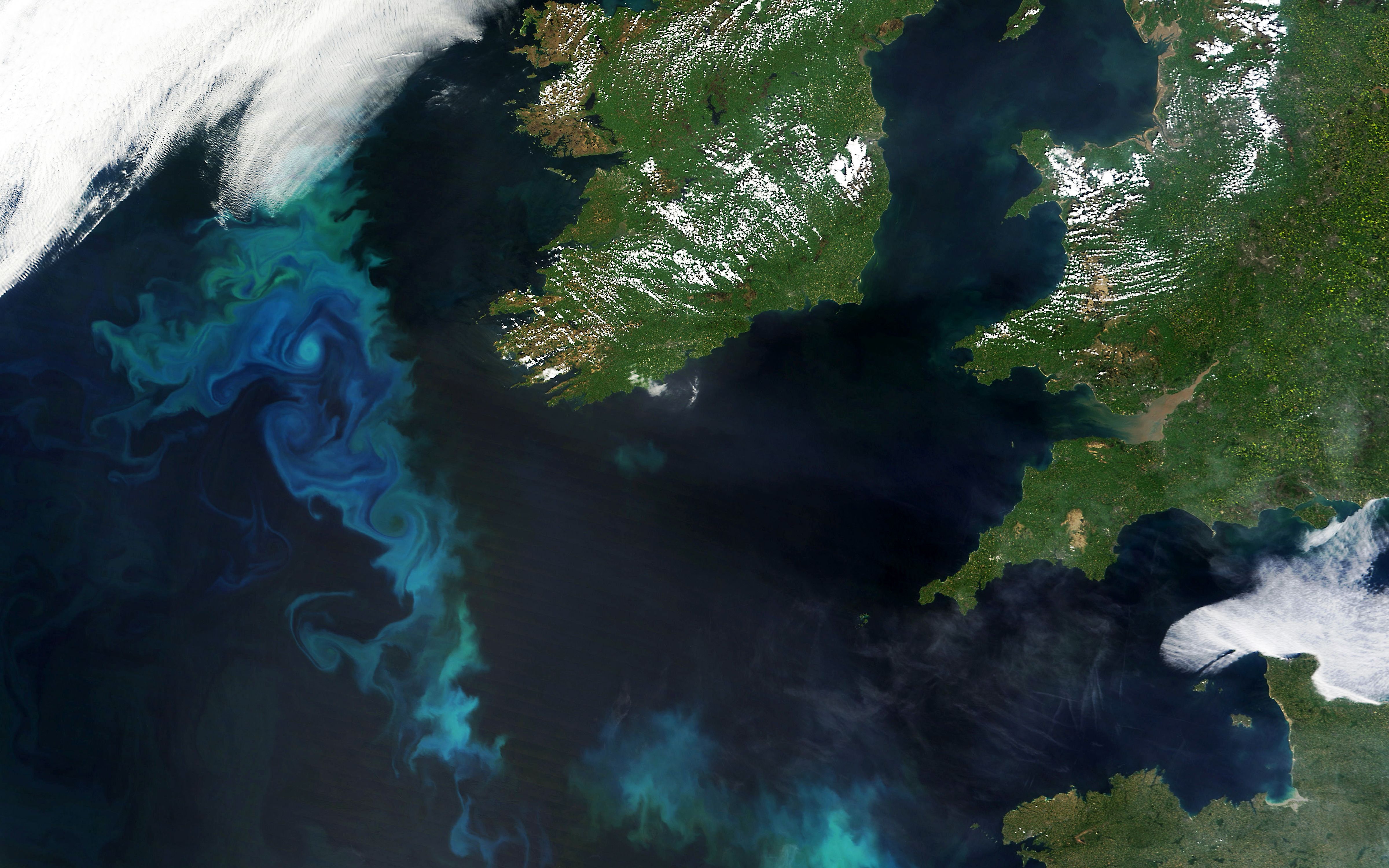
Within the sunlit layers of this huge ocean realm (the epipelagic zone) biological production, biogeochemical cycles and marine food-webs are maintained by the inhabiting planktonic organisms.
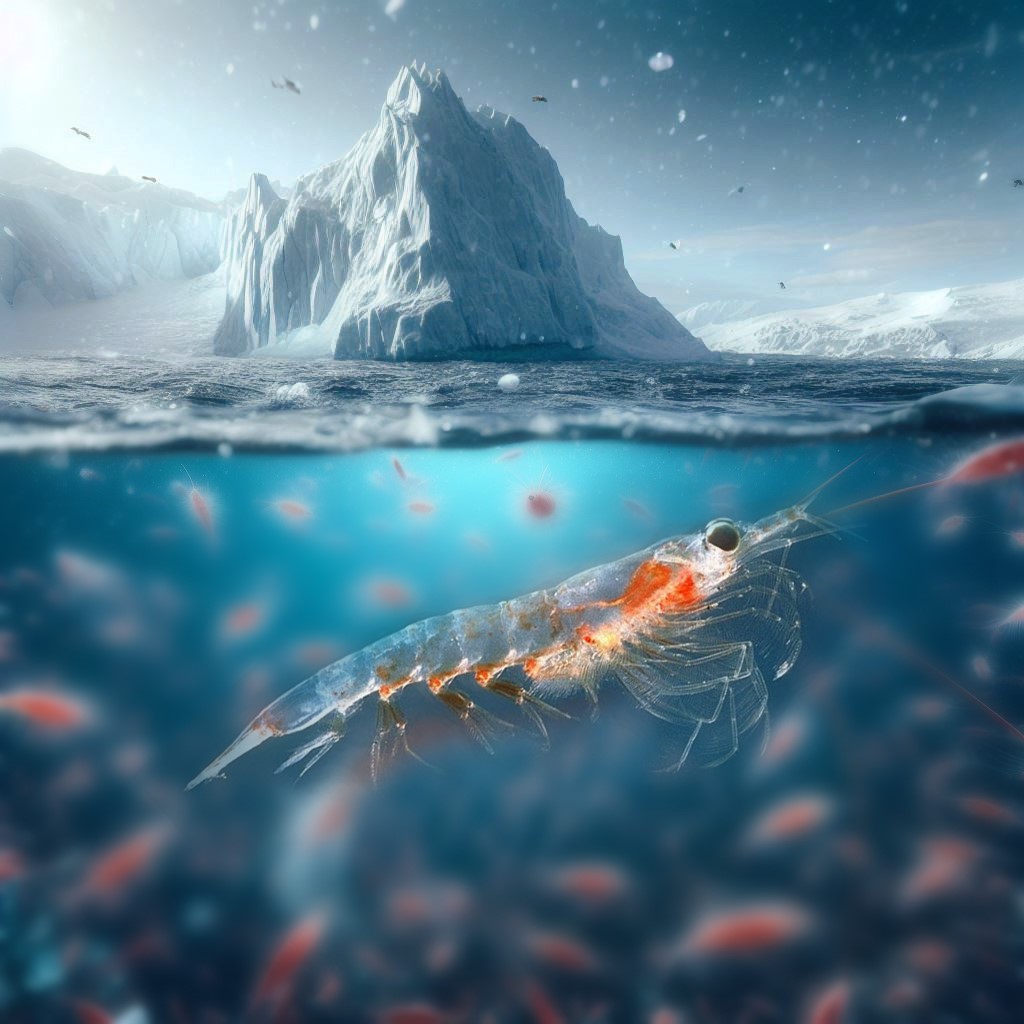
Plankton at the base of the marine food web are made up of the free floating plant life of the sea (phytoplankton) and the animal plankton (zooplankton) which power marine ecosystems around the world by providing food and energy for other marine life. The vast majority of plankton are microscopic but they can reach up to 2 m in diameter in the form of large jellyfish. The word plankton derives from the Greek planktos meaning ‘to drift’. The productivity of marine ecosystems in terms of the size of fish and shellfish resources as well as the abundance of marine wildlife (e.g. seabirds and marine mammals) is highly dependent on variations in the abundance, timing and composition of the plankton.
Pelagic ecosystems also play a crucial role in climate change through the export of the important greenhouse gas CO2 to the deep ocean by carbon sequestration in what is known as the ‘biological pump’ and are also responsible for the 50% of the world’s oxygen production. Plankton can also be said to indirectly drive modern civilisations by providing us with the oil and gas deposits we use today. This comes from the huge accumulation of carbon from plankton on the seafloor over geological time. Without plankton the Earth would be devoid of marine ecosystem services (valued at $21 trillion per annum) such as; fishery and shellfish production, nutrient cycling, gas production and climate regulation.
Pelagic ecosystems play a fundamental role in modulating the global environment via its regulatory effects on the Earth’s climate. Changes caused by increased warming on marine pelagic communities are likely to have important consequences on ecological structure and function thereby leading to significant feedbacks on the Earth’s climate system.
 Pelasphere